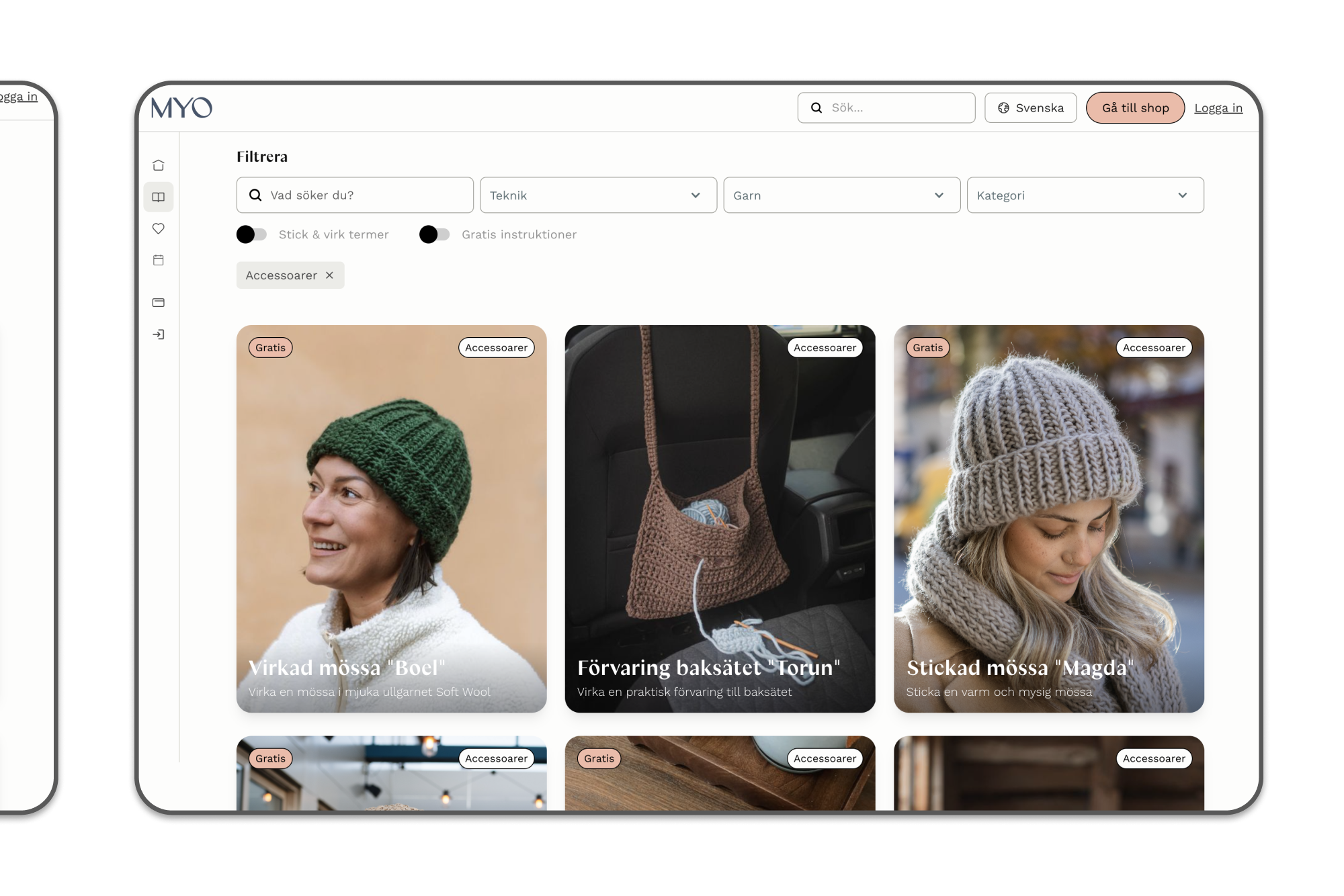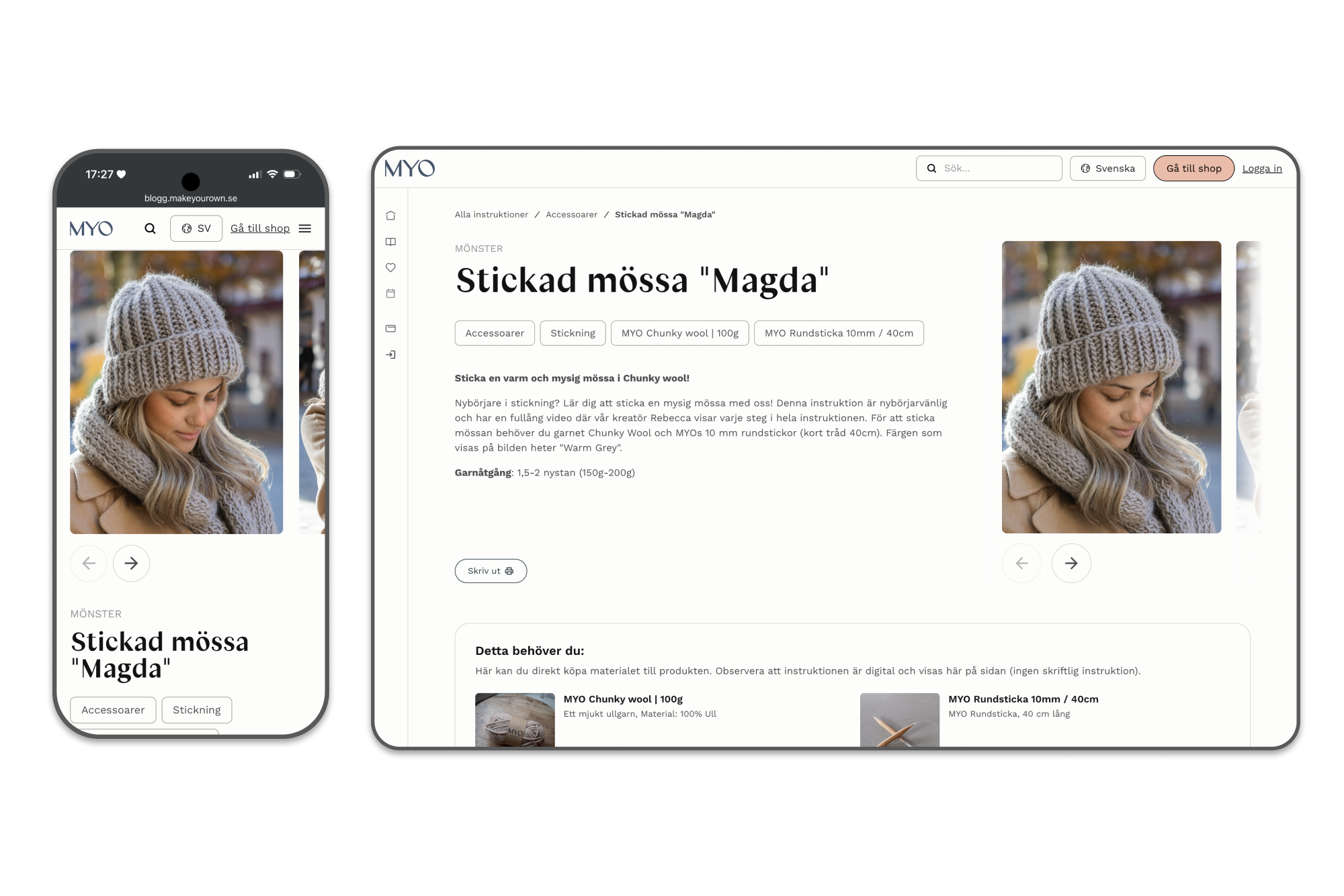
Part creative space. Part e-com store.
Make Your Own
Made it easier for MYO to extend the product
2022-2024
12-24 months
Shopify, Webflow
DIY Products

Figma

Webflow
2 Designers, 1 PM, 3 Engineers
A strong base, unclear next step
When I joined MYO, the business was already working. The Shopify store was growing, DIY kits were selling well, and their content was driving steady traffic. What wasn’t clear was what MYO should become next, and how digital products could support that shift without breaking what already worked.
%201.png)
Effective, but narrow
At the time, MYO revolved around a few core pillars:
Selling physical DIY kits
Driving traffic through YouTube and social content
A traditional e-commerce funnel
There was growing interest in deeper engagement, learning, repeat use, and community, but no shared picture of how that should translate into product decisions. There was no shortage of ideas or plans for scaling e-commerce. The challenge was deciding which directions were actually worth building on.
Growth without over-structuring
There were also practical constraints. Everything needed to work for a wide and varied audience, spanning multiple generations. That meant shipping incrementally: no big rewrite, no risky platform bets. A few key questions shaped the work:
Direction over features
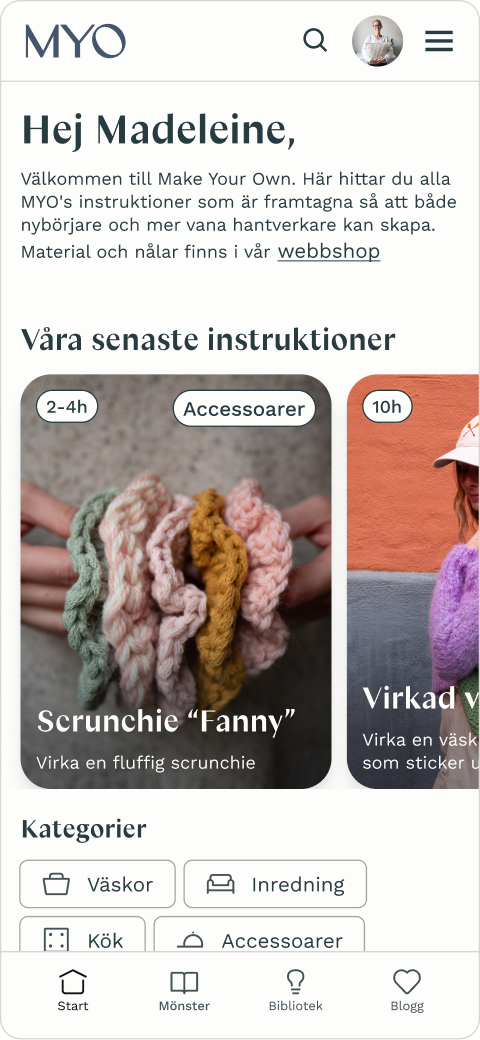
My role was to help turn ambition into something buildable, and to set a direction the team could realistically execute on. I led design across two parallel tracks:
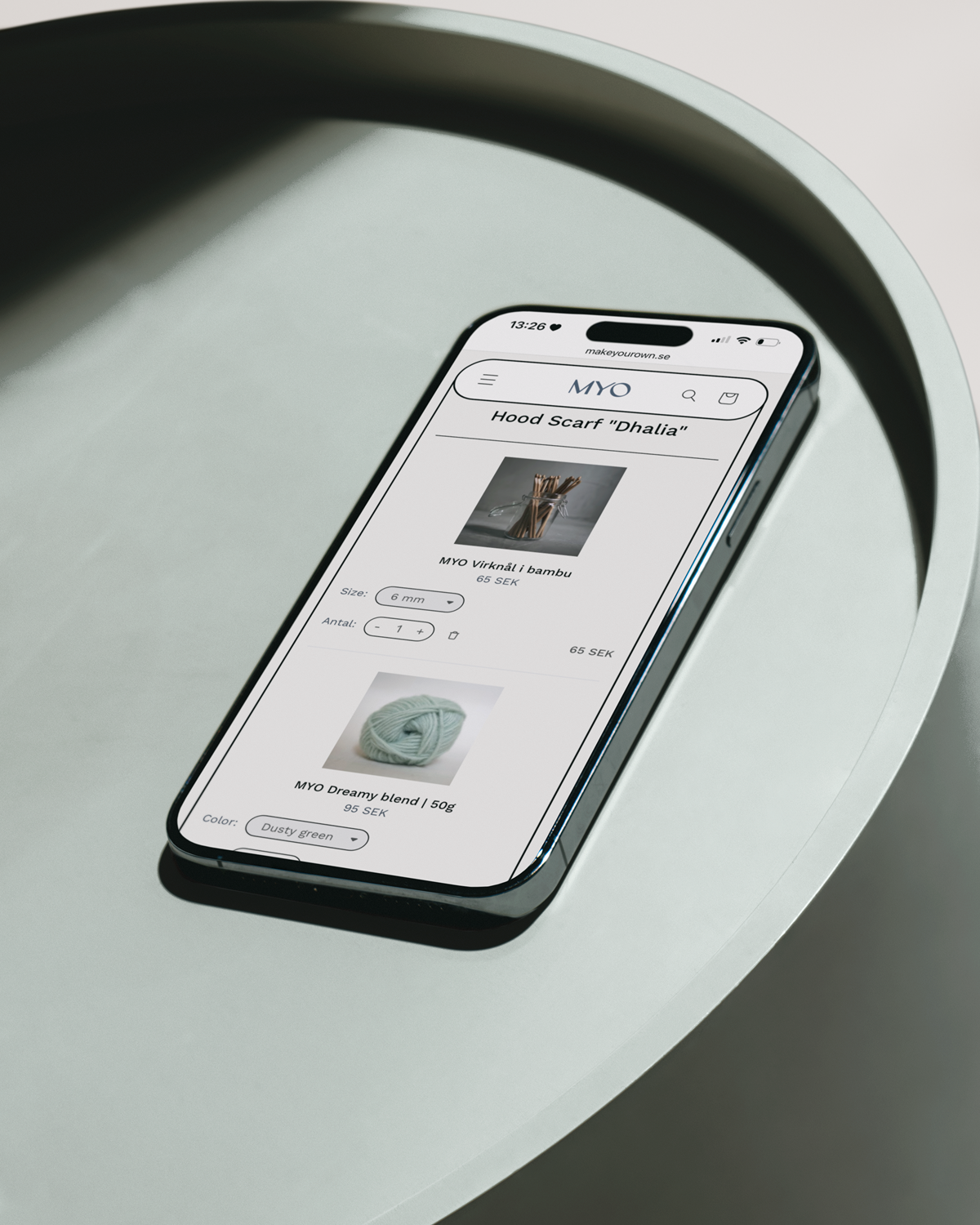
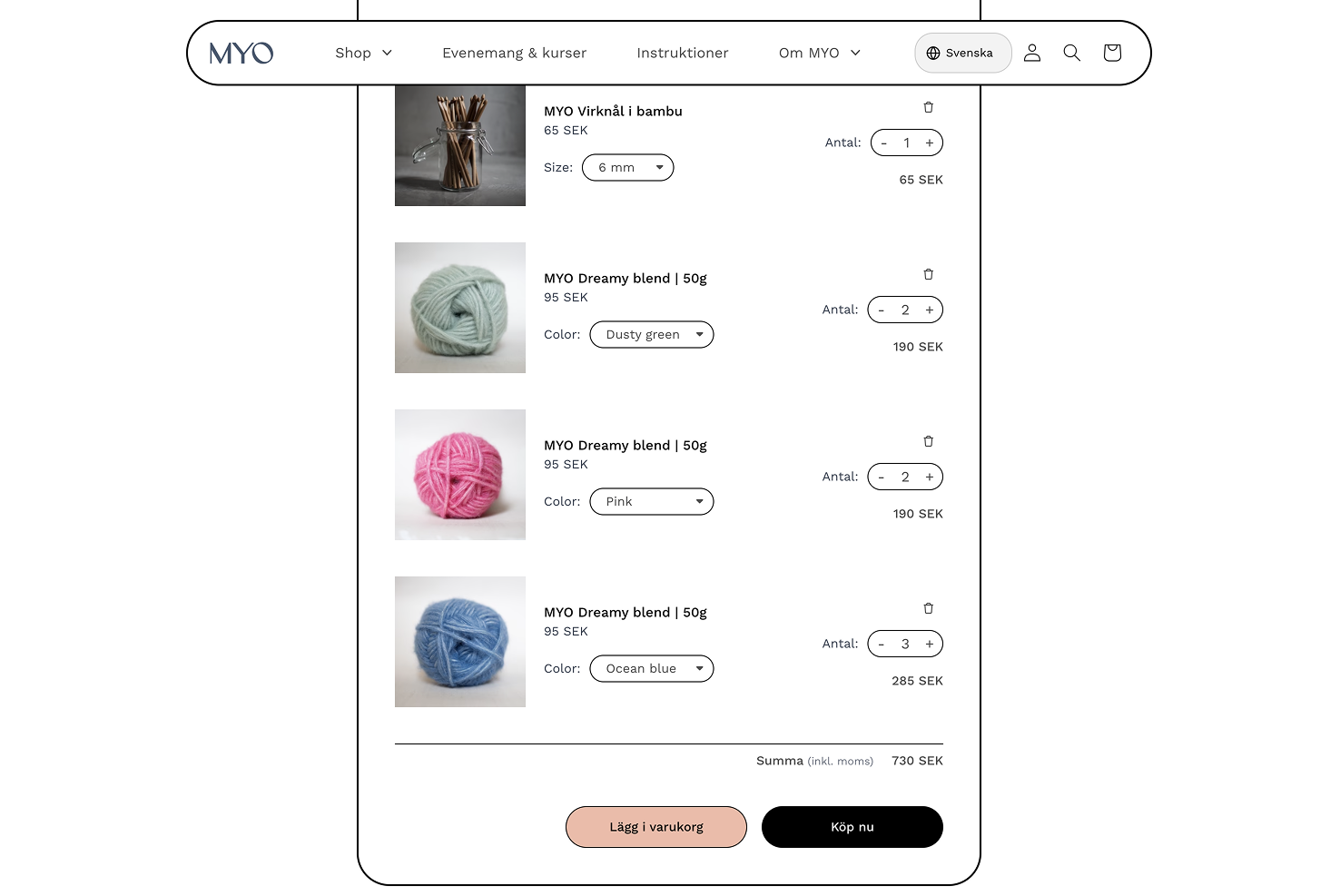
Redesigning the e-commerce experience to be clearer, calmer, and easier to scale
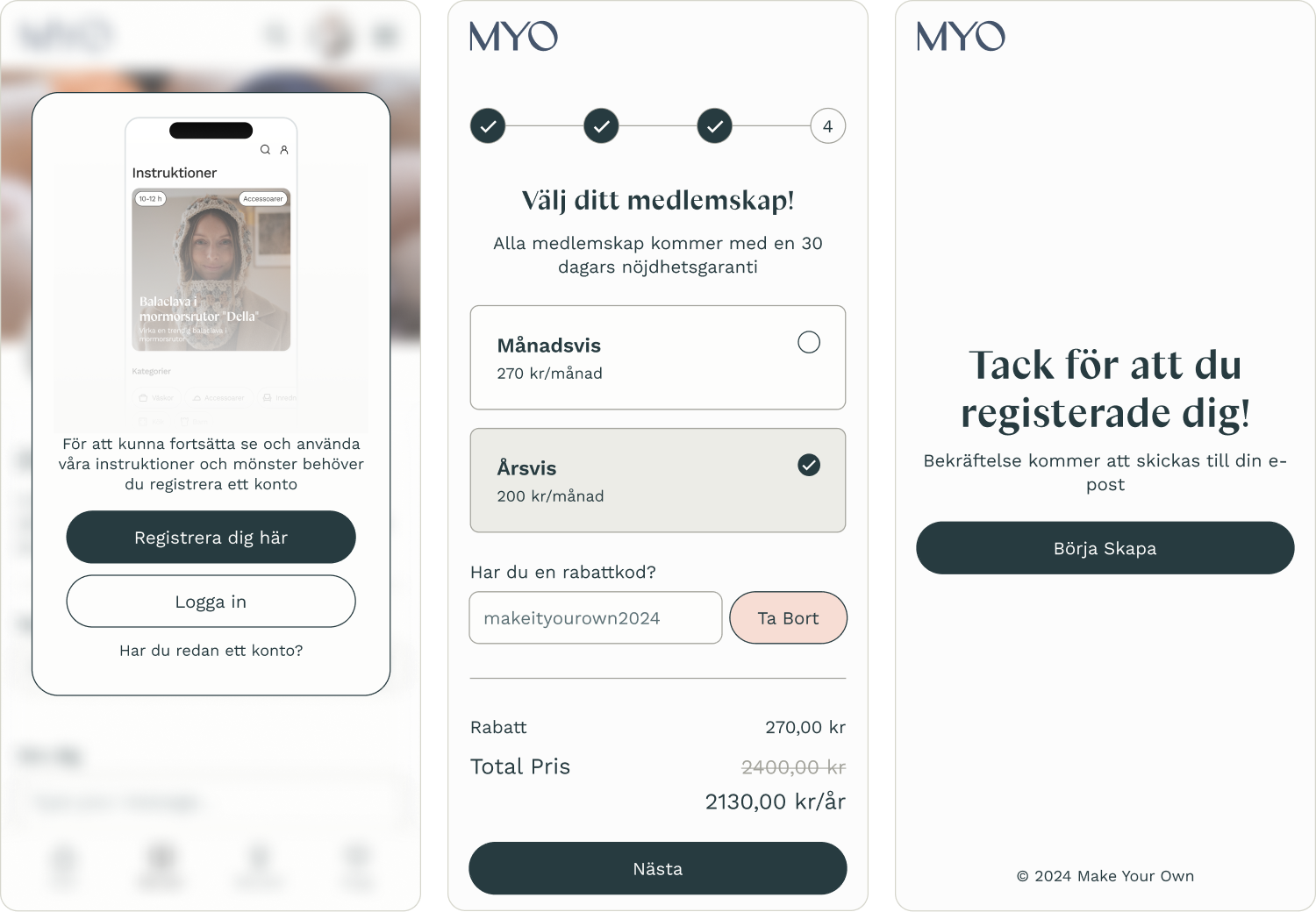
Exploring how physical instructions could live digitally, and how they could come together as a community platform (without assuming it needed to look like a social network)
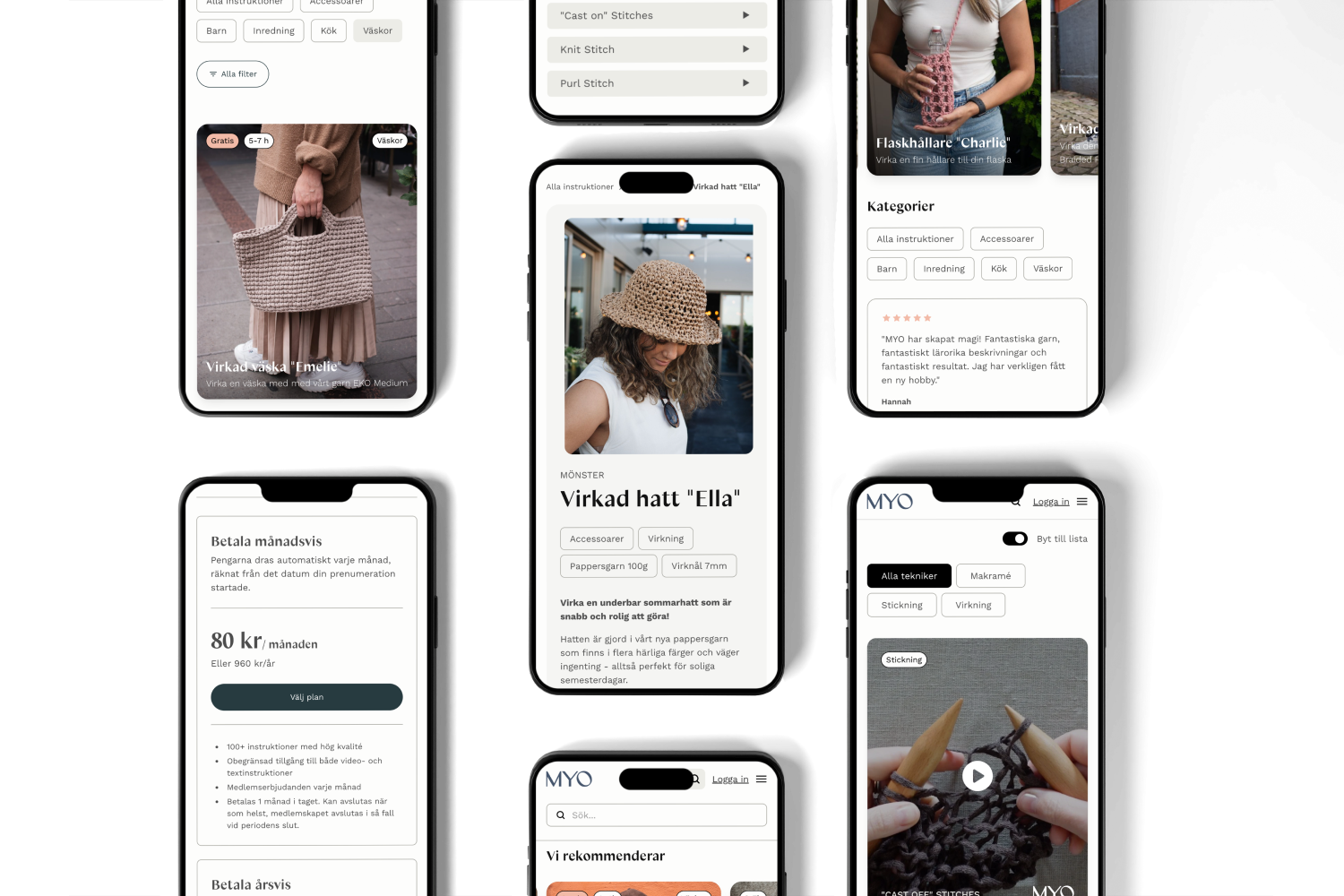
Key decisions included treating content and instructions as modular building blocks rather than static pages, designing the community around participation and progression instead of feeds, and prioritising systems that could evolve over time rather than launching “finished” features.
From store to system
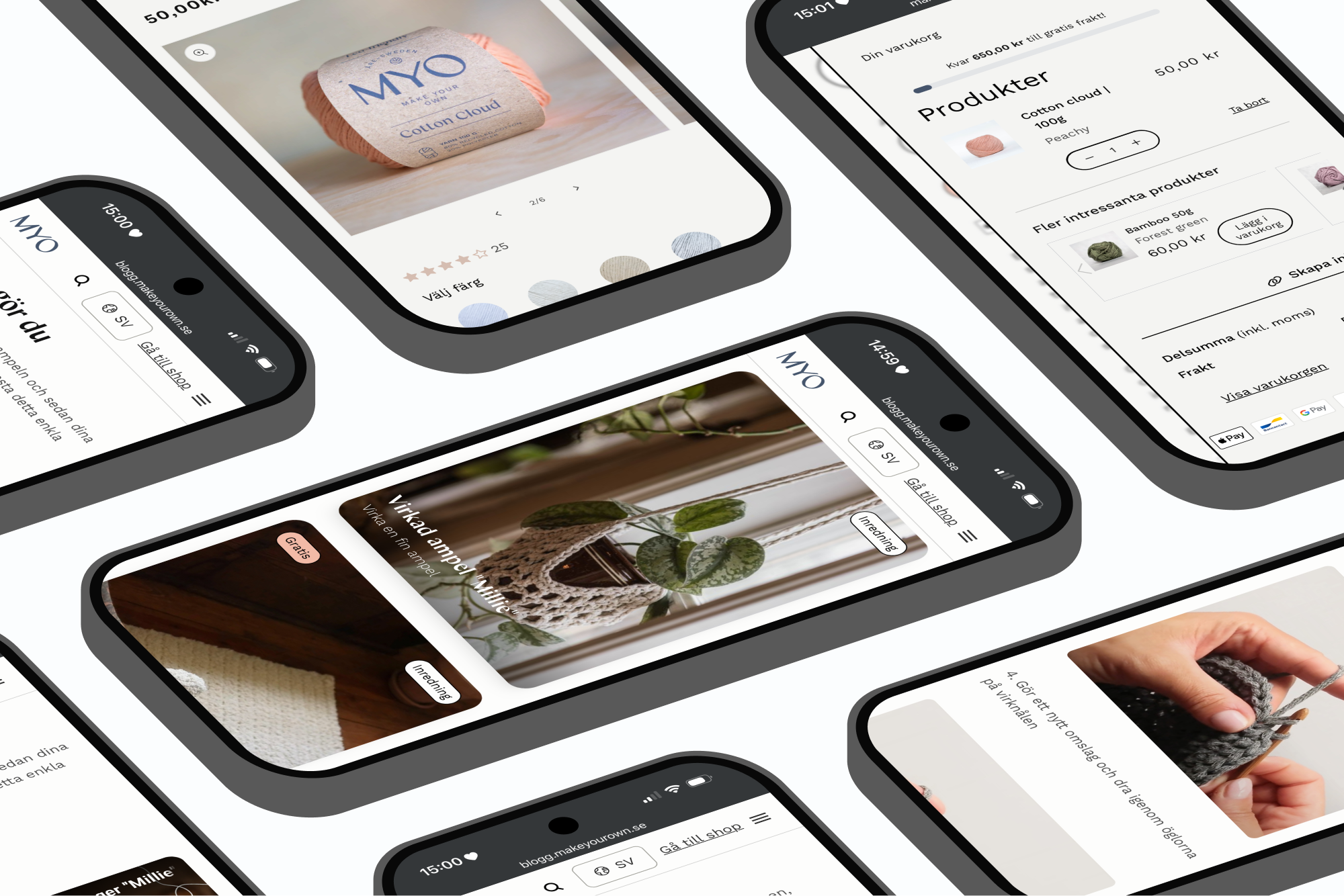
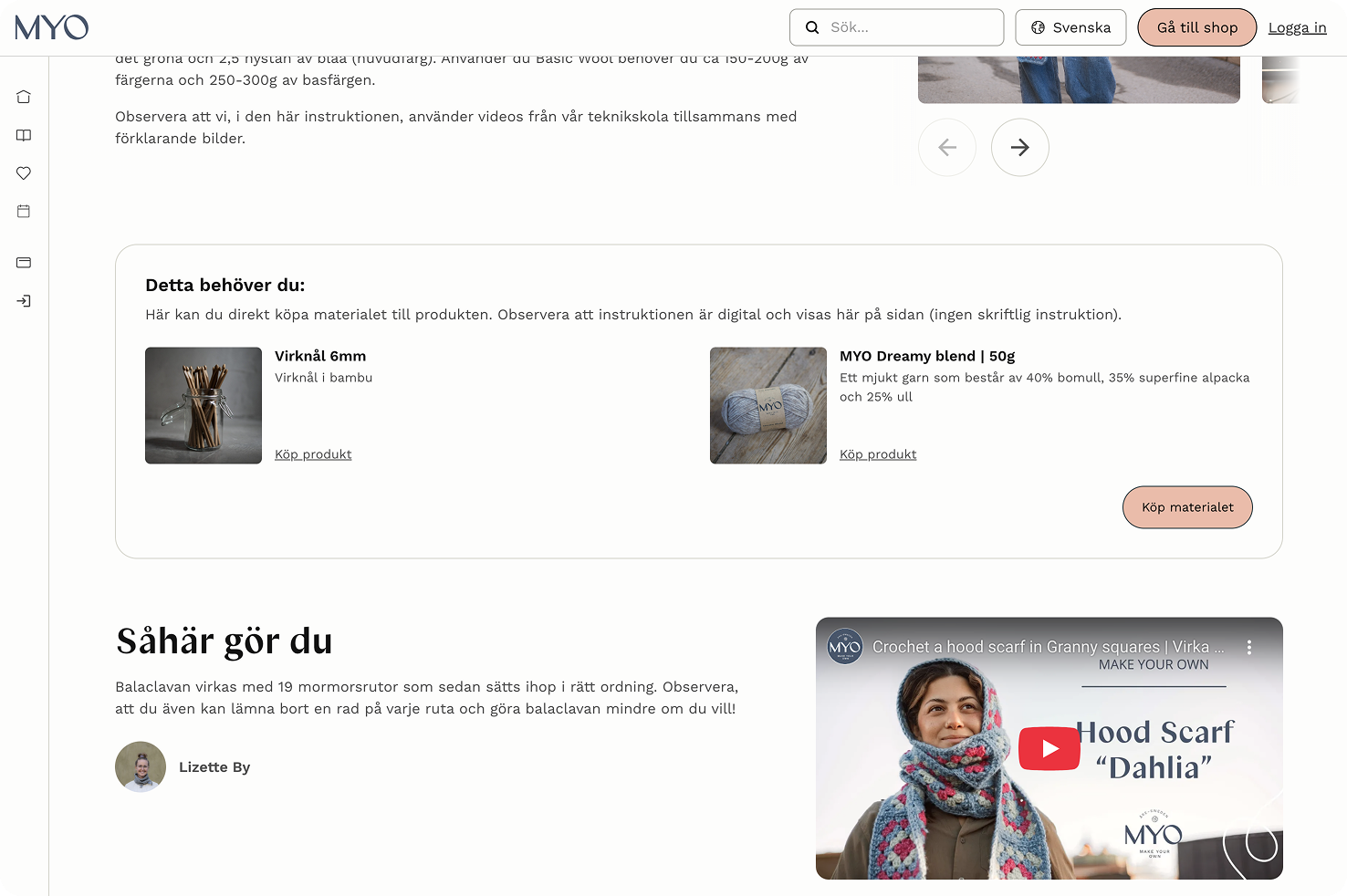
The work didn’t radically change MYO overnight, but it changed how the product could grow. Instructions became structured, reusable digital components, subscriptions were supported without being forced, and the store evolved to better connect learning with materials — making it easier to experiment and grow without redesigning everything again.
Alignment, not theatre
Research and workshops played a practical role throughout the project. Using usage data, session recordings, heatmaps, and workshops with founders and developers, I identified where people dropped off, how different users related to crafting over time, and how they engaged with the category, while aligning the team around a shared product direction. The goal wasn’t to prove ideas right. It was to reduce uncertainty enough to move forward with confidence.
Webflow

Shopify
A clearer foundation
Over time, the changes supported measurable growth: increased community engagement, steady social growth, and improved conversion in the e-commerce flow. More importantly, MYO ended up with a digital foundation that matched the founders’ vision and supported steady growth. Part shop, part learning space, part community, not fully defined, but directionally solid.