Making it easier to match tenants.
Coly
Focusing the product around what mattered most
2022→
12 months
React, Webflow
Shared Living
Figma

Webflow
2 Designers, 1 CPO, 1 CEO, 2 Engineers
Joining mid-flight
I joined Coly at a point where the product no longer fully reflected where the company wanted to go. The idea was strong. The matching method had been tested. The product covered a lot of ground. But there was an open question around focus, and what the product really needed to be good at.
A lot of momentum, a lot of overlap
When I came in, Coly had plenty going for it, but was also in the middle of change. The product was trying to serve multiple audiences at once, with overlapping features and core flows competing for attention. Everything technically worked, but the overall experience felt diluted. It was hard to tell what mattered most: for users, or for the business.
Strategic, not visual
The main tension wasn’t visual. It was strategic. These weren’t decisions design could make in isolation. They required collaboration, discussion, and a lot of restraint.
2.png)
Reducing uncertainty
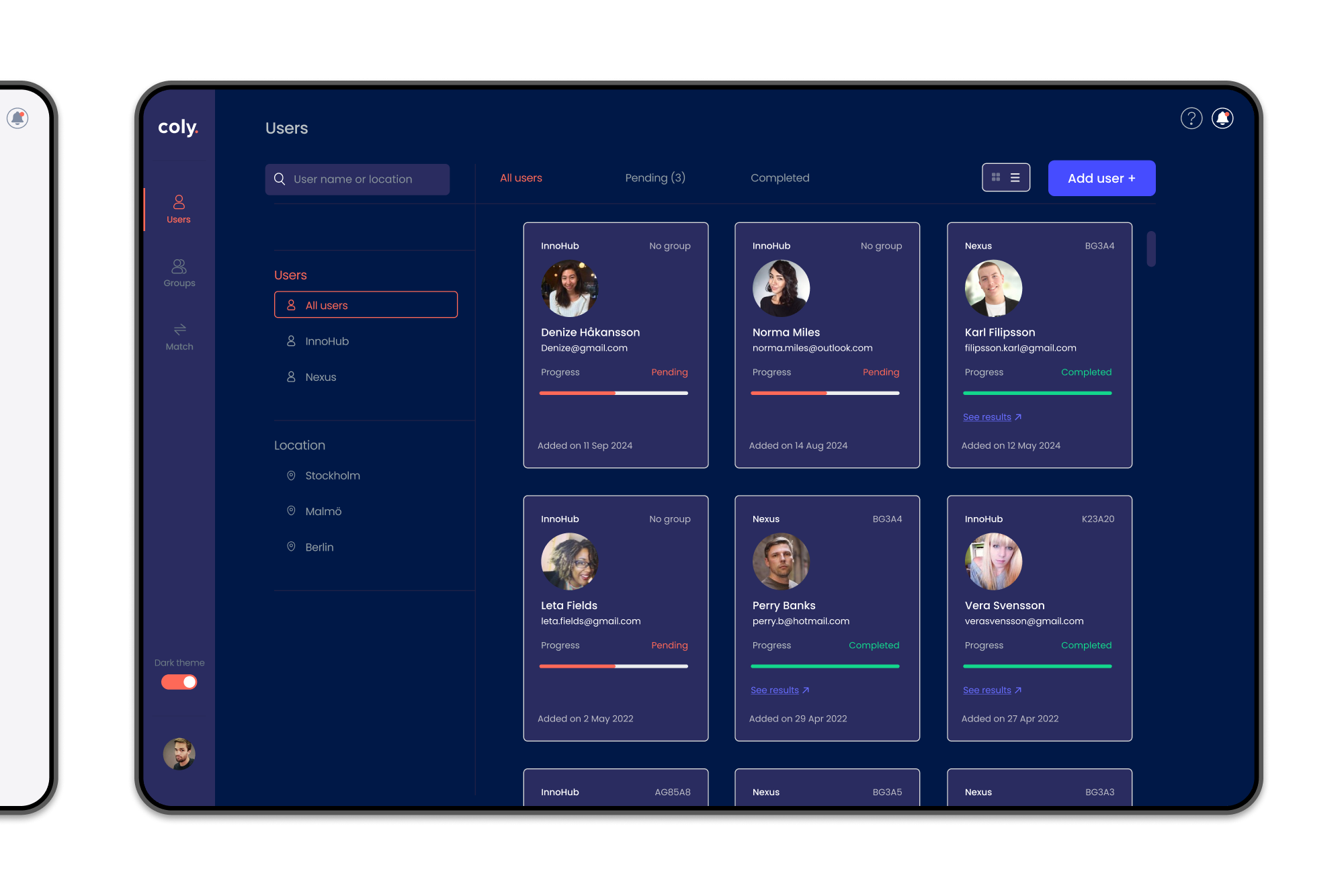
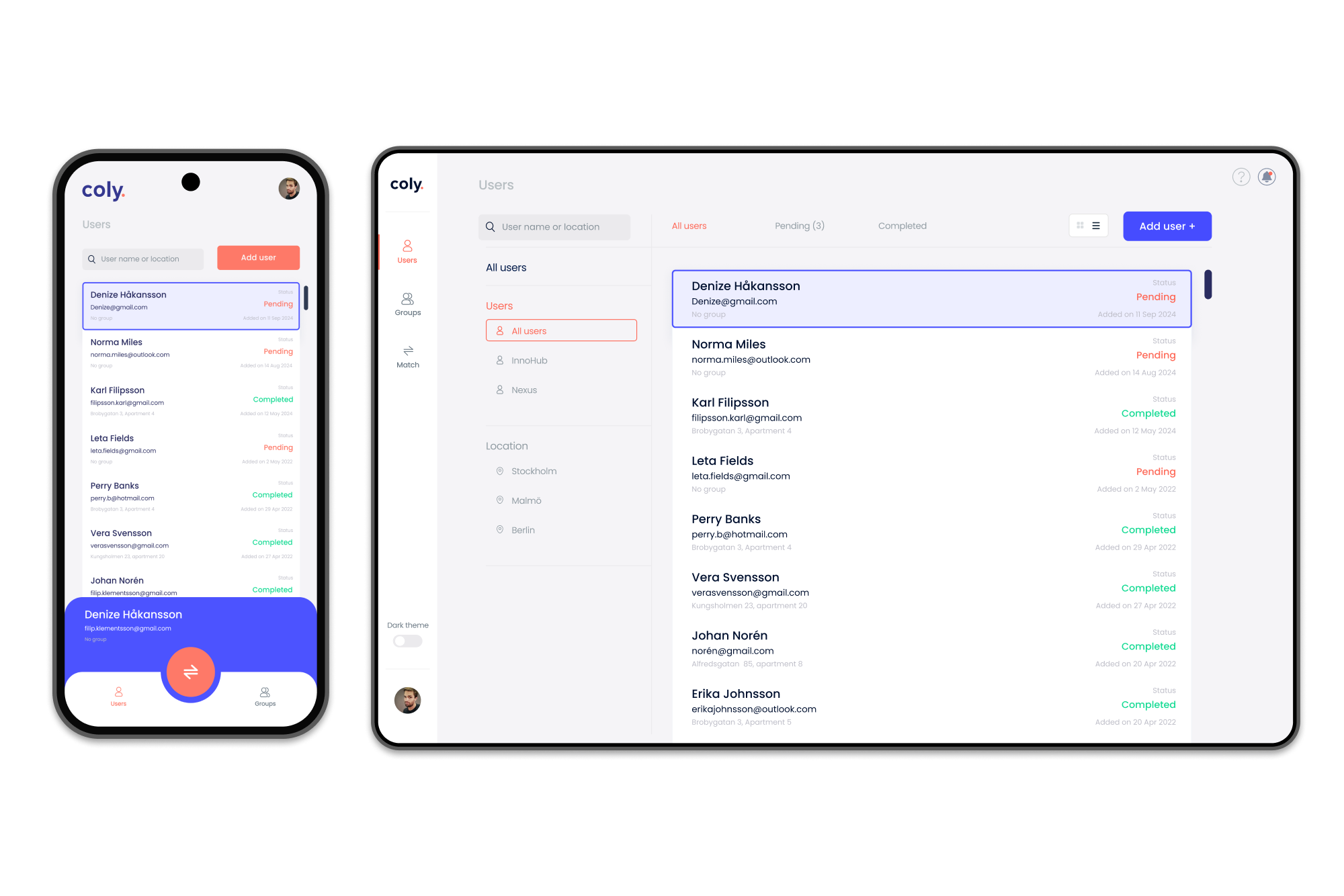
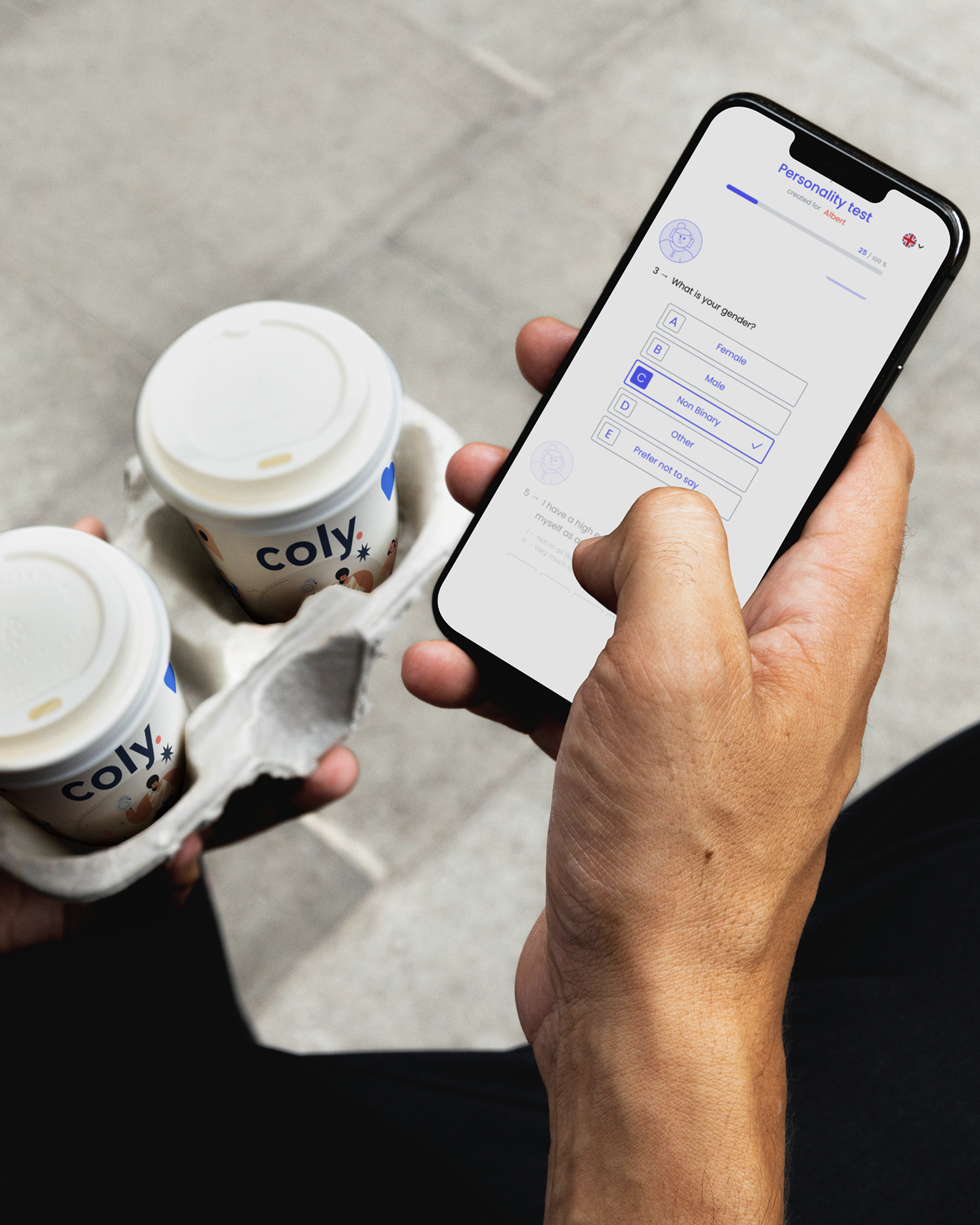
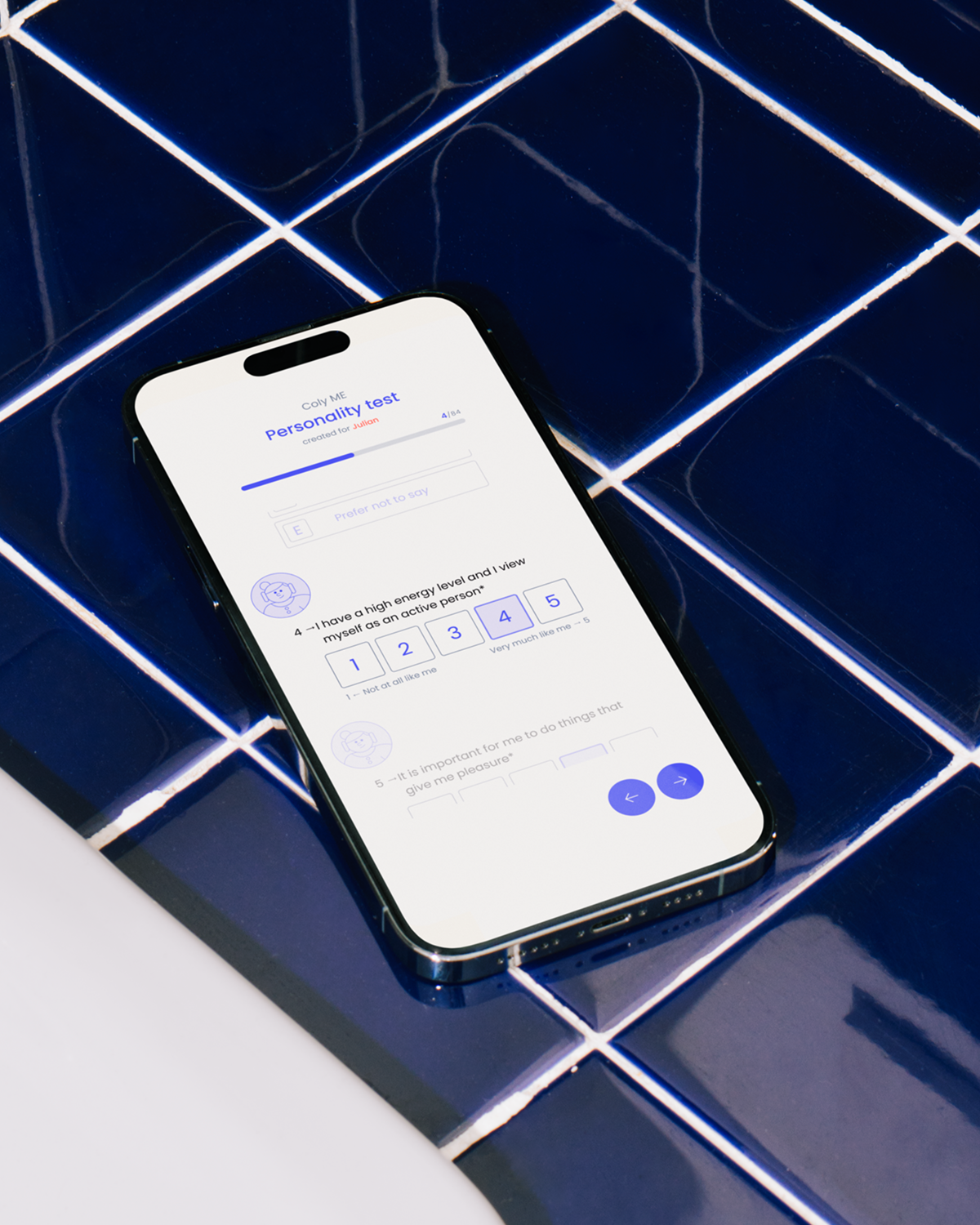
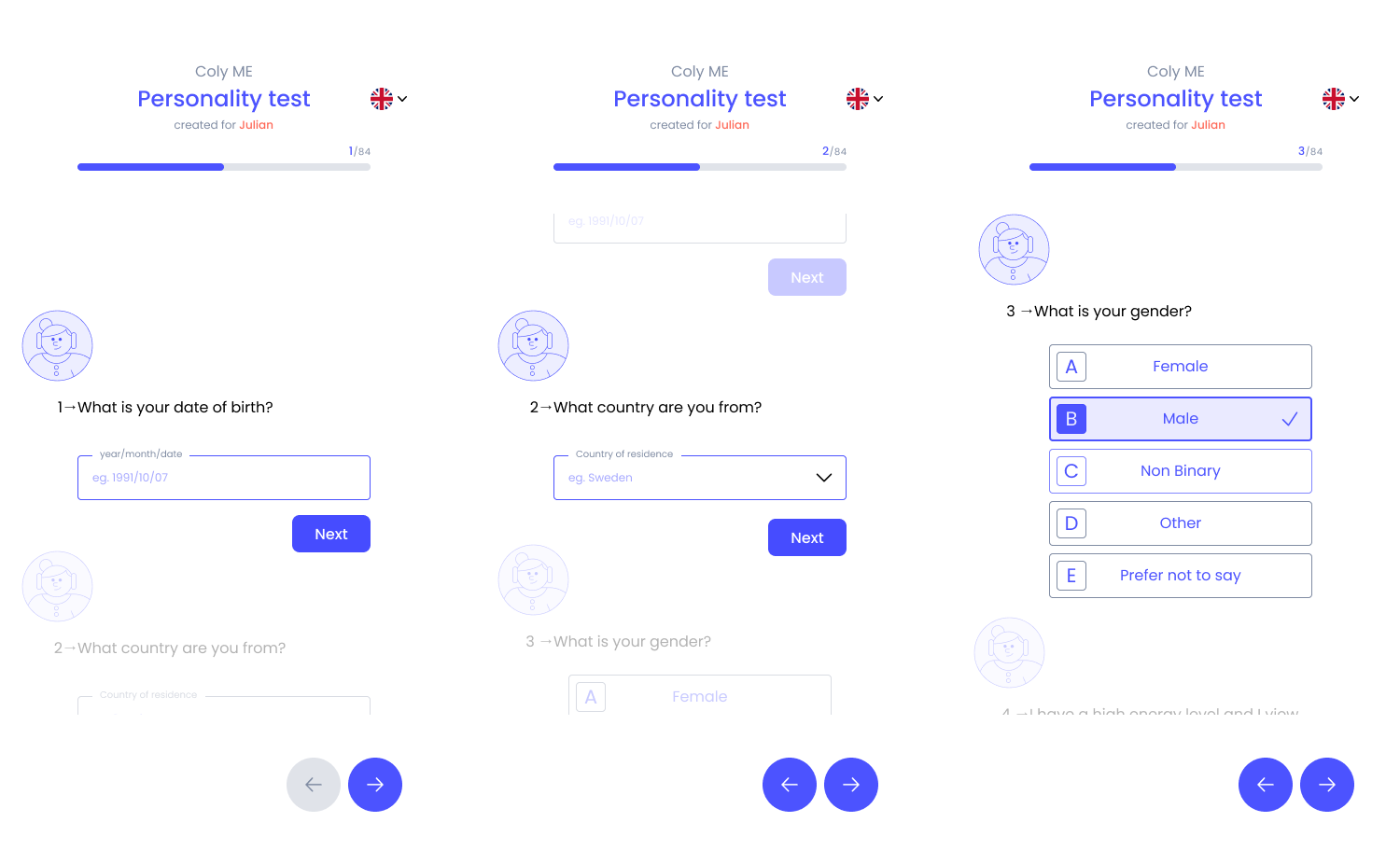
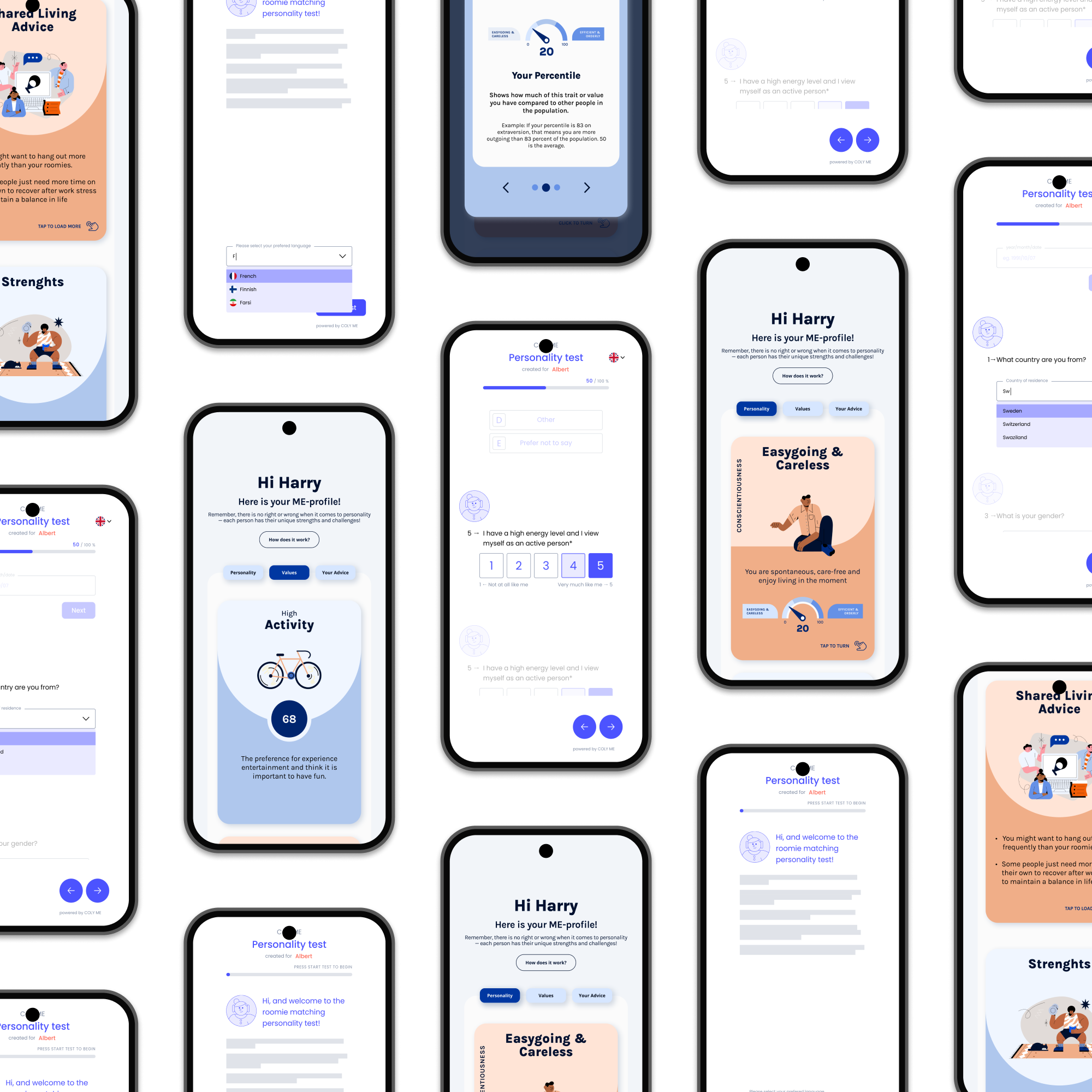
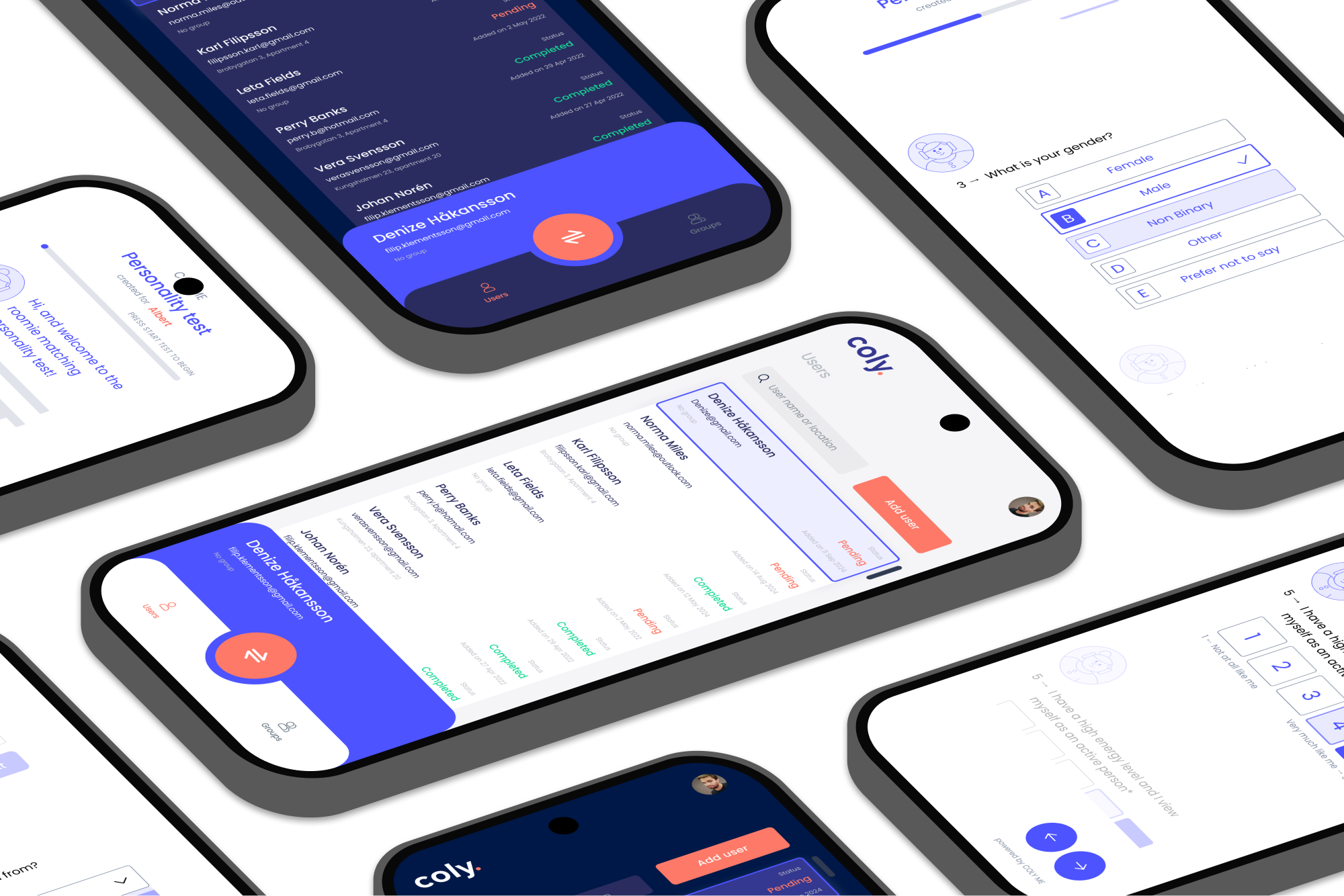
My role was to help reduce uncertainty and bring clarity to what to build, and what not to. I worked closely with Coly’s CPO and development team to align on product direction, scope, and priorities. This included narrowing the dashboard to emphasise matching over management, shaping the personality profile to feel approachable without losing credibility, and reworking the psychometric test to feel lighter and more personal without becoming shallow.
Focus over expansion
The outcome wasn’t a radically new product, but a calmer and more focused one. We reduced competing paths, clarified primary actions, and landed on a product that was easier to use and easier to explain, both internally and externally. This made it clearer who the product was for, and why it existed.
Keeping things aligned
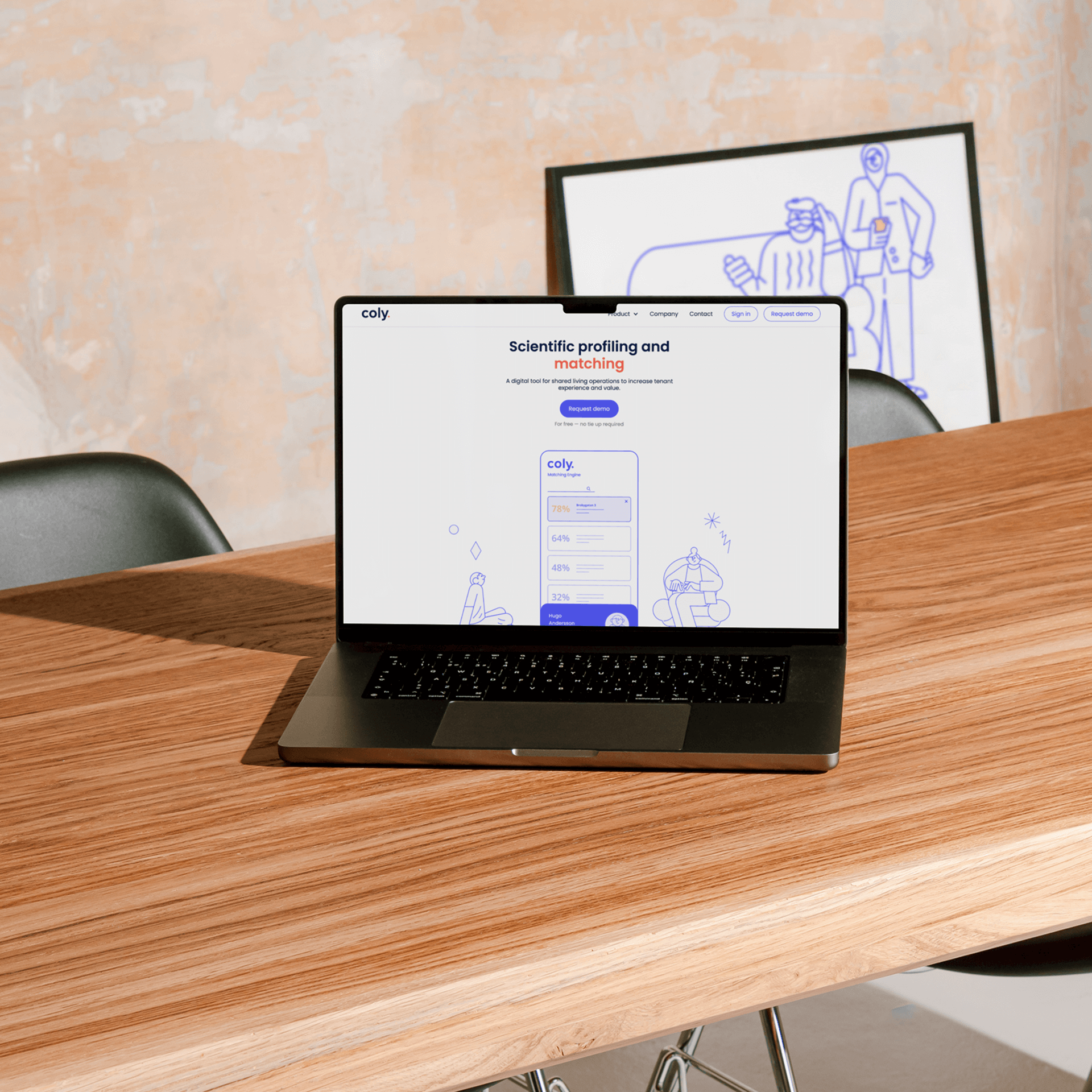
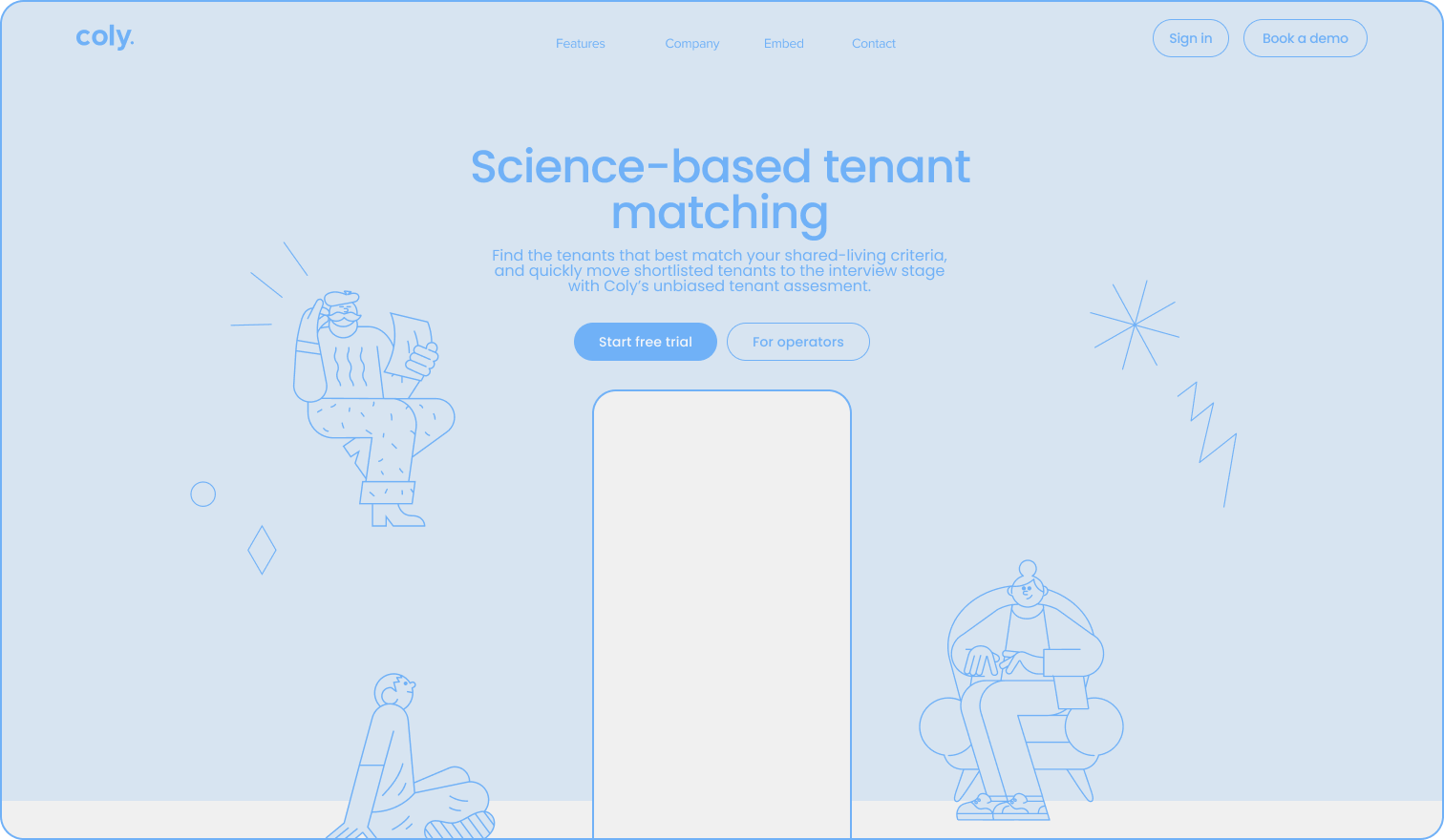
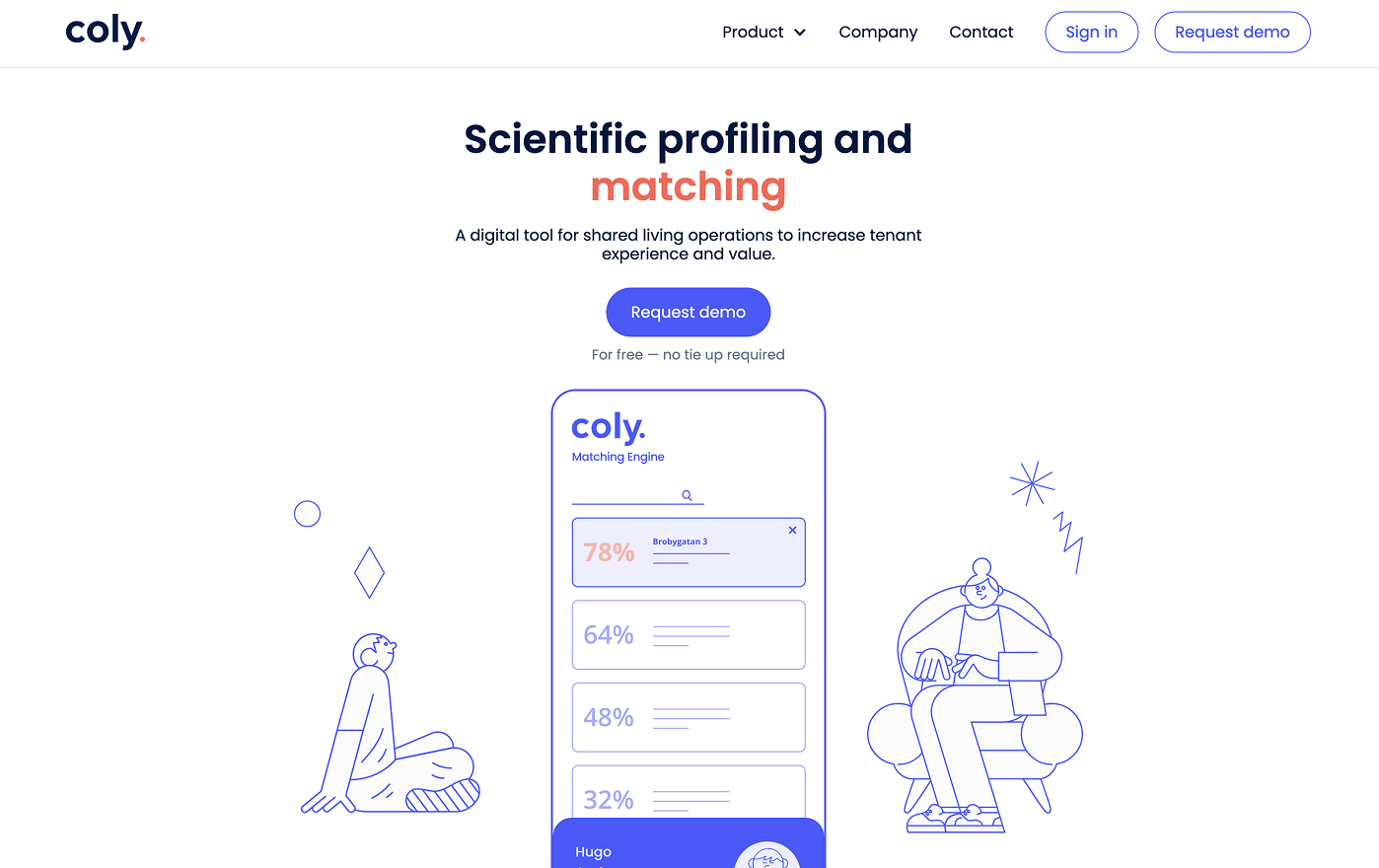
As the product direction became clearer, the brand and website needed to follow. I worked on extending Coly’s website using Figma and Webflow, focusing less on polish and more on alignment. The goal was simple: make sure what we communicated externally matched what the product actually delivered. This supported Coly’s positioning in the US college market, where clarity and trust mattered more than feature depth.
Figma
Webflow
Steady progress
Not everything we worked on was elegant or pixel-perfect, and not every decision was design-led. But the product shipped in a more focused state than when I arrived: clearer to use, clearer to explain, and easier to build on. That’s usually the kind of progress that lasts.